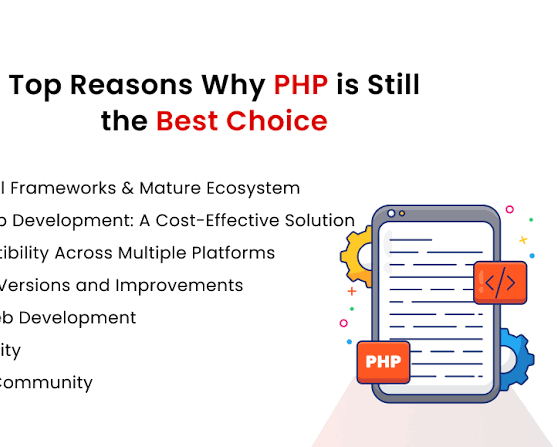
Why PHP is best for Web Development PHP is one of the most popular server-side programming languages used to build dynamic, interactive, and database-driven websites. It is an excellent choice for beginners who want to start their web development journey and for professional developers who want to create powerful web applications.
PHP works smoothly with HTML, CSS, JavaScript, and MySQL, making it easier to develop complete websites with dynamic content and database connectivity.
PHP also offers strong database integration, flexible development options, and extensive community support. Developers can find useful tutorials, libraries, frameworks, and solutions to common programming problems. Popular frameworks such as Laravel
Practices in this Topic
 ";
        echo "Welcome to PHP Web Development!";
    ?>
Common Mistakes
Learning PHP is an important step toward becoming a successful web developer. By practising simple PHP programs, beginners can understand variables, calculations, conditions, loops, and database connectivity.
Conclusions
For students learning web development, PHP provides valuable practical experience in server-side programming, form handling, user authentication, and database management. Whether you are creating your first website or building a professional web appl
";
echo "Welcome to PHP Web Development!";
?>Related Articles
1. PHP Tutorial for Beginners: Learn PHP Step by Step
Result
The function accepts a string and returns a string. htmlspecialchars() helps safely display text in HTML by encoding special characters.Advance Work in this Topic
1. Modern PHP 8 Features
Content of the Blog
One of the biggest advantages of PHP is its simplicity. Beginners can learn the basics quickly and gradually develop advanced programming skills. PHP is open-source, so developers can use it without paying licensing fees. It also works with popular web servers and platforms, including Apache, XAMPP, and WordPress. This makes PHP a practical solution for personal blogs, business websites, e-commerce stores, student projects, and content management systems.